
How Do I Choose a Small Dog for My Apartment and Schedule?
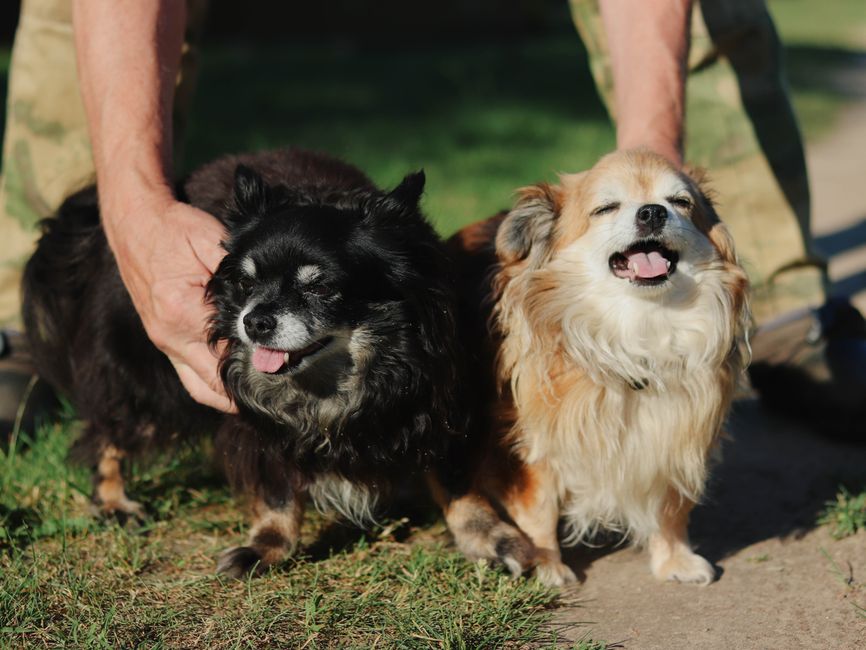
Choose a small dog by matching the individual dog to your building rules, daily absences, tolerance for noise, ability to provide outdoor breaks and exercise, grooming budget, and household. Size helps, but it is not the decision. An adult dog with known behavior can be a stronger first match than a puppy or a breed chosen from a photo.
Use a lifestyle-first filter. It reduces the expensive mismatch: a dog who cannot settle during your workday, triggers neighbor complaints, or needs care you did not budget time for. The goal is not to find the “best” small dog. It is to find the dog your actual week can support.
What small dog is best for an apartment?
The best small dog for an apartment is the individual dog whose energy, vocalization, outdoor-break needs, grooming requirements, and household behavior fit your home and schedule. A small body does not automatically mean an easy apartment dog.
The American Veterinary Medical Association puts rental and building restrictions, apartment versus house, exercise access, workday length, other pets, and traits such as noise and intensive grooming on its dog-selection checklist. That is the correct order of operations: check the operating constraints before falling for a look or breed label.
Run the five-box screen before you meet a dog. Write a plain answer in each box, not an aspirational one.
| Decision box | What to check | Question to ask the rescue or foster family |
|---|---|---|
| Building | Weight, breed, pet-count, and noise rules | “Has this dog lived in an apartment or shared-wall home?” |
| Workday | Your departure pattern and care plan during absences | “What happens when this dog is left alone?” |
| Outdoor routine | Who provides multiple daily outdoor trips | “What is the current walk and toilet schedule?” |
| Noise | Your neighbors’ proximity and your ability to manage vocalization | “What tends to trigger barking or other vocalization?” |
| Care load | Grooming, training, supplies, veterinary care, and backup care | “What routine care and handling does this dog already tolerate?” |
Keep the size-versus-energy distinction sharp. The AVMA notes that some larger or high-energy dogs can be harder to keep in apartments, which means activity level matters alongside size. Every dog also needs outdoor access multiple times a day for elimination and exercise. A compact dog does not turn a no-walk schedule into a workable plan.
Start exercise conservatively. The AVMA’s walking guidance recommends short, frequent walks, building gradually toward one or more 15-minute brisk-walking periods with recovery time, while tailoring the plan to the dog’s health needs. Walks also provide sensory stimulation beyond the apartment. The useful question is not “How little exercise can this small dog handle?” It is “Can this household deliver a repeatable routine?”
Which small dogs do not bark a lot around neighbors?
No small dog can be guaranteed quiet around neighbors; choose a dog with a known, manageable vocalization pattern and a plan for the triggers. Breed tendencies can help frame questions, but they do not guarantee an individual dog’s behavior.
Do not ask a vague question such as “Is the dog good?” Ask for observable behavior instead. The American Kennel Club recommends asking about behavior around strangers, children, and other animals, as well as crate experience, house-training, basic manners, bite history, and separation anxiety. Add one apartment-specific line: “When does this dog vocalize, and what helps it settle?”
Weak question: “Does the dog bark?” Strong question: “What sounds, people, departures, or handling situations lead to vocalization, and what has worked in a home setting?” The second version lowers the rescue worker’s cognitive load and gives you information you can act on.
Foster information is especially valuable here. The AKC explains that foster homes often provide more detailed behavioral insight than shelters, where stress can alter how a dog’s personality appears. If a dog is not in foster care, treat missing history as missing history. Do not convert it into a promise of quiet.
For a new arrival, build a stable routine rather than waiting for a complaint. Humane World for Animals recommends arranging arrival for a period when you can be home for several days and keeping feeding, walks, and work departures consistent during the first week or longer. That gives the dog a predictable pattern before your full schedule starts.
What is the easiest small dog for a first-time owner?
The easiest small dog for a first-time owner is usually an adult individual with behavior and routine information that fit the owner’s household, not simply the smallest or cutest option. Known history beats a guess.
The AVMA says puppies require additional housetraining, socialization, obedience training, feeding, exercise, and supervision. It also says adult dogs are often already housetrained, know basic commands, and usually adapt well to a new home. That does not make every adult dog easy. It makes the early workload more visible and, often, more manageable.
Use this decision rule: choose the option that removes the most unknowns your schedule cannot absorb. If you work predictable hours and have limited training capacity, ask for an adult dog with documented house-training habits, feeding times, walk routines, sleep patterns, and behavior when left alone. The AKC’s rescue-adoption guidance provides that question set.
Budget matters because care is not just an adoption fee. The AVMA includes food, preventive and emergency veterinary care, grooming, boarding, licensing, identification, sterilization, training, and supplies among dog costs. The practical move is to list which of those costs need regular space in your plan before committing. This is the same capacity-first logic that matters when deciding whether a 5000W solar generator can run essential appliances: match the commitment to the real load, not the appealing headline.
Ask these four questions before saying yes: “Was the dog surrendered or stray?” “How long has the dog been in care?” “Was a prior rehoming connected to behavior?” “What does a normal weekday look like?” Those questions are direct, respectful, and useful. They help you distinguish an informed match from a hopeful guess.
Can I get a small dog if I work full time?
Yes, you can get a small dog while working full time if you have a reliable daily care routine, build independence gradually, and choose a dog whose known behavior fits that arrangement. Do not rely on a universal number of hours alone; the evidence does not support one rule for every dog.
A 2021 peer-reviewed review in the Journal of the American Veterinary Medical Association found no specific published data establishing a universal frequency or duration for owner absences. The review identifies separation anxiety as the most common stand-alone behavioral diagnosis in dogs and describes possible signs including destructive behavior, indoor elimination, excessive vocalization, vomiting, hypersalivation, and self-injury when a dog is left alone.
That changes the decision from a clock debate to a monitoring plan. The AVMA’s reporting on back-to-work pet anxiety recommends brief absences, a safe space, slow crate training, and long-lasting treats or food puzzles to build independence. It also recommends using a webcam because some signs of distress are not visible after you return.
- Plan the handoff. Bring a new dog home when you can be present for several days, as Humane World for Animals advises.
- Repeat the schedule. Keep feeding, walks, and departures consistent while the dog learns the household rhythm.
- Observe, then adjust. Use a camera during absences and look for vocalization, destruction, elimination, hypersalivation, or escape attempts.
- Escalate early when stakes are high. The AVMA notes that severe cases involving self-injury or urgent housing consequences call for prompt help from a behavior professional.
The most important replacement behavior is simple: do not assume a small dog will be fine alone because it is small. Set up a short, repeatable departure routine, observe the result, and change the care plan when the dog’s behavior says it is not working.
Frequently Asked Questions
Do small dogs actually need less exercise than large dogs?
No. Small size does not remove the need for planned play, outdoor access, and exercise. The AVMA says every dog needs outdoor access multiple times daily for elimination and exercise, and its walking guidance says activity should fit the individual dog’s health needs rather than body size alone.
Which small dogs have the lowest grooming needs?
The provided sources do not rank small breeds by grooming need. Instead, use grooming as a selection question: ask the shelter, rescue, or foster family what coat care the individual dog needs and include grooming in your ongoing cost plan, as the AVMA recommends.
Should I choose a puppy or an adult rescue dog for my first dog?
For a first-time owner with limited time, an adult dog can be the simpler starting point because the AVMA says adult dogs are often already housetrained, know basic commands, and usually adapt well to a new home. A puppy can still be the right choice, but it requires added housetraining, socialization, obedience training, feeding, exercise, and supervision.
Before your next shelter visit, complete the five-box screen and bring the four history questions with you. If you cannot describe your workday, outdoor-break plan, and noise tolerance in plain language, pause the breed search. Make the operating plan first. Then choose the dog who fits it.
Sources
- American Veterinary Medical Association: Selecting a Pet Dog
- American Veterinary Medical Association: Walking Your Pet
- Journal of the American Veterinary Medical Association: Separation Anxiety in Dogs
- American Veterinary Medical Association: Back to Work, Pet Anxiety
- Humane World for Animals: How to Make Your New Dog Feel Comfortable
- American Kennel Club: Questions to Ask When Getting a Dog From a Rescue or Shelter