
Can I Build a Backyard Apartment on My Property?
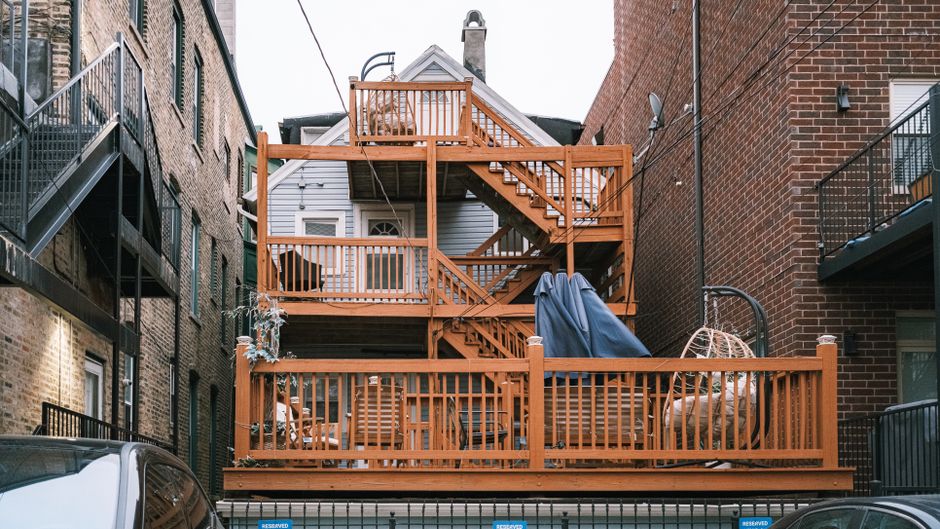
A backyard apartment can be feasible if local zoning allows it, the lot and utilities can support it, and the full project budget works for your intended use. In California, state ADU rules create a clearer path for qualifying projects, but site conditions, permit fees, access, and local requirements can still decide whether a plan is practical.
Can I build a backyard apartment on my property?
You can build one only when the property, the proposed unit, and the local approval path line up. Start with the definition, because it prevents the first planning mistake: treating a bedroom over a garage or a finished shed as automatically rentable housing. The California Department of Housing and Community Development defines an accessory dwelling unit, or ADU, as an attached or detached dwelling on the same lot as a primary residence with permanent living, sleeping, eating, cooking, and sanitation facilities.
For California properties, the state framework is meaningful. The Department of Housing and Community Development states that qualifying ADUs receive ministerial approval rather than discretionary review or a hearing, and that a local agency must decide whether an application is complete within 15 business days. That is a process rule, not a blank check. A project can still need corrected plans, building review, utility work, or site-specific approvals.
Use a property-readiness pass before treating the project as a construction decision. Check the zoning designation, lot configuration, existing structures, side and rear space, access route, and the location of water, sewer, electrical, and gas connections. Then ask the local planning or building department a direct question: “Is a detached ADU allowed at this address, and what site constraints would change the plan?” That question reduces re-explaining later.
| Planning item | What the available California sources say | Why it changes feasibility |
|---|---|---|
| Setbacks | For a new attached or detached qualifying ADU, local agencies may require no more than a 4-foot side and rear setback, according to the California Department of Housing and Community Development's 2024 handbook. | A smaller setback can preserve buildable area, but the building still must fit the lot and comply with applicable rules. |
| Conversions | The same 2024 handbook states that no setback is required for a conversion within an existing structure or a same-location, same-dimensions replacement structure. | Using an existing structure may change the placement problem, though it does not erase permit or building requirements. |
| Parking | California's 2024 handbook limits parking requirements to one space per ADU or bedroom, whichever is less, and lists cases where no parking may be required. | Parking can affect the site layout, particularly on smaller lots. |
| Fire access | San Jose states that an ADU more than 150 feet from the curb along a 4-foot-clear access path may require a fire variance. | Distance and access can add a separate review track and project requirements. |
Do not confuse statewide momentum with a property-level approval. California permitted 30,354 ADUs in 2024, up from 1,336 in 2016, according to the state housing department. That growth shows demand and a more established pathway. It does not establish that every lot is ready.
How much does it cost to build an ADU from start to finish?
The best available statewide benchmark is substantial: the Terner Center for Housing Innovation reported a median California ADU construction cost of $150,000, or $250 per square foot, in its published statewide survey. Treat that as a benchmark, not a quote. The figure describes construction cost in the survey; it does not make a particular site's total cost predictable.
The clean way to evaluate the number is to separate the project into cost buckets before comparing contractor proposals. A low construction figure can look attractive while design work, permits, site preparation, utility connections, financing costs, and furnishing remain outside the conversation. That is the all-in test: every cost required to create a usable dwelling belongs in the decision.
| Cost bucket | What to document before deciding |
|---|---|
| Design and plans | What drawings, revisions, engineering, and plan-review responses are included. |
| Permits and local charges | Which fees are known, which are project-specific, and which agency confirms them. |
| Construction and site work | What the proposal includes for the building, access, excavation, and connections. |
| Utilities and finish-out | What is required to make the unit functional, including any upgrades and furnishing choices. |
Local examples show why a single price can mislead. San Jose says school and park impact fees do not apply to ADUs smaller than 750 square feet, while building permit fees and project-specific charges, including geological, tree-removal, or fire-variance fees, may still apply. The useful question is not “What does an ADU cost?” It is “Which costs are confirmed for this design and this site?”
The Terner Center also found that 37% of newly built California ADUs in its survey cost less than $100,000, while 71% cost less than $200,000. Those 2020 survey findings show wide variation, not a safe target. Request proposals that state exclusions in writing and use the same scope when comparing them. For a useful parallel on making construction bids legible, see How Do Small Civil Contractors Build Profitable Bids?.
Do I need a permit for a detached backyard apartment?
Yes, a detached backyard apartment requires a permit process; state ADU rules streamline qualifying approvals but do not eliminate building review. In San Jose, the first round of building review typically takes 20 business days, according to the city's Development Services Permit Center, although incomplete or complex plans can require additional review. Build that review cycle into the timeline instead of treating permit submission as the finish line.
A strong application package answers the reviewer’s practical questions before they become rounds of correction: where the unit sits, how people reach it, how utilities serve it, and how it meets applicable building and fire requirements. San Jose also assigns an address to each ADU and junior ADU through the building-permit process. That administrative detail matters if the eventual use involves mail, utilities, or a separate tenancy.
Weak approach: “The state allows ADUs, so the city has to approve this design.” Strong approach: “Which elements of this address require correction before building approval?” The first statement creates friction. The second gives the reviewer a defined job and gives the owner a usable answer.
Permit questions also affect the intended use. The California housing department says local agencies may require rental terms longer than 30 days. In San Jose, the city says an ADU can be rented separately from the main home, subject to fair-housing laws and California's 30-day minimum rental term. That makes long-term housing the central compliance question, not a last-minute leasing detail.
Frequently Asked Questions
Can I rent out my backyard apartment legally?
It depends on the rules where the property is located. In San Jose, the city states that an ADU may be rented separately from the main house, subject to fair-housing laws, and California law sets a minimum rental term of 30 days. A local housing or planning department can confirm the rules that apply to a specific address.
How do setbacks, parking rules, and utility hookups affect an ADU?
They can determine the footprint, placement, cost, and even whether a proposed plan works. California rules limit side and rear setbacks for a new qualifying ADU to no more than 4 feet, while conversion projects can have no setback requirement; parking rules have separate exemptions. Utility capacity, access, fire review, and project-specific site work still need local review.
Is an ADU worth building for rental income or family housing?
The answer depends on the all-in cost, the allowed use, expected occupancy, and how much flexibility matters to the household. The Terner Center's California survey found a median new-ADU rent of $2,000 per month, but rental income is not the only outcome: UCLA research shows owners also use ADUs for family, caregivers, offices, guests, and friends. Compare the project budget with the use you actually expect, not a promised return.
Sources
- California Department of Housing and Community Development: Accessory Dwelling Unit Handbook
- Terner Center for Housing Innovation: California ADU Survey
- City of San Jose: ADU Frequently Asked Questions
- UCLA Ziman Center for Real Estate: ADU Research
Disclaimer: This article is for general information only and is not financial advice. It does not take your personal circumstances into account, and past performance does not predict future results. Speak to a licensed financial professional before making money decisions.