
What Packaged Snacks Are Good for Type 2 Diabetes?
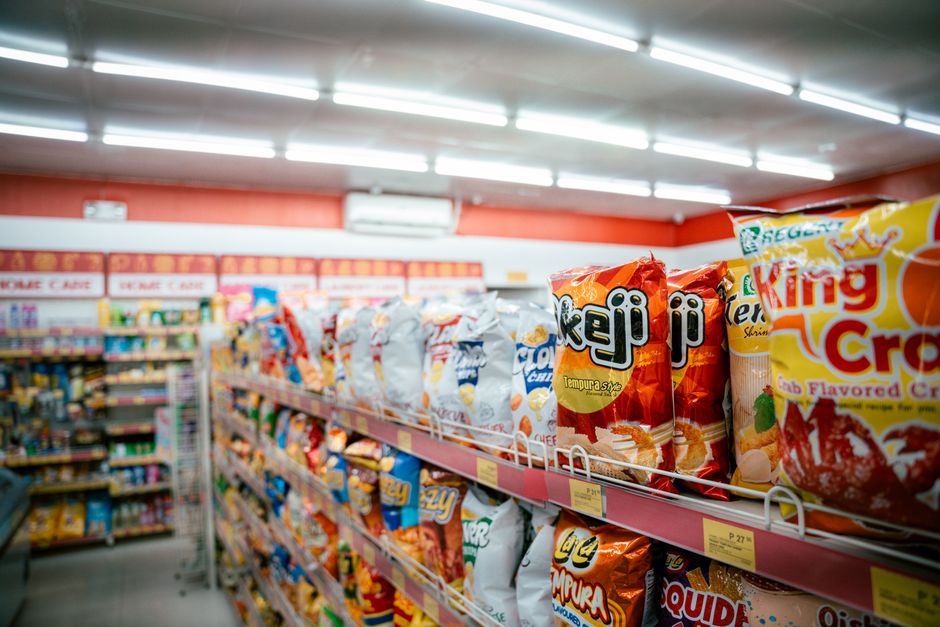
Good packaged snacks for type 2 diabetes are not identified by a “low sugar” badge. Compare the stated serving size, total carbohydrate, fiber, protein, added sugar, and any sugar alcohols on the Nutrition Facts label; then choose an option whose carbohydrate amount and ingredient quality fit the individual eating plan and glucose response. The label, not the package claim, contains the decision-relevant information.
What packaged snacks are good for type 2 diabetes?
Packaged snacks that are good candidates for comparison are those with a clearly stated serving size, a total-carbohydrate amount that fits the individual plan, and a nutrition profile that includes fiber or protein rather than relying on added sugar or a health claim. The American Diabetes Association explains that total carbohydrate includes sugar, starch, and fiber, and explicitly directs readers making carbohydrate decisions to that line on the label.
The puzzle is simple: a package can say “sugar-free,” “reduced sugar,” or “high fiber” while still being a poor fit for a particular snack plan. Those phrases have narrow definitions. The American Diabetes Association’s food-label guidance explains that sugar-free means less than 0.5 g of sugar per serving, while reduced sugar means at least 25% less sugar than the regular version. Neither statement tells the reader the product’s total carbohydrate amount.
Fiber claims require the same skepticism. Under the FDA definitions summarized by the American Diabetes Association, a “good source” of fiber contains at least 2.5 g per serving, while “high fiber” means at least 5 g per serving. Those thresholds describe fiber only; they do not erase starches, sugars, calories, or the effect of taking two servings from a small package.
A practical label sequence is more useful than a search for a perfect snack. First read serving size. Next compare total carbohydrate. Then inspect fiber, protein, added sugar, and the ingredient panel for sugar alcohols. Finally, multiply the label values if the package contains more than one serving. The American Diabetes Association cautions that every nutrient listed applies only to the stated serving, which is where many apparently modest snacks become less modest.
| Label item | What it resolves | Why the front label cannot resolve it |
|---|---|---|
| Total carbohydrate | The full carbohydrate amount, including sugar, starch, and fiber | “Low sugar” does not state the starch or total-carbohydrate amount |
| Fiber | Whether the product meets the claimed fiber threshold | A fiber claim does not describe total carbohydrate or serving size |
| Protein | Whether protein is present alongside carbohydrate | “Protein” branding does not establish the rest of the nutrition profile |
| Added sugar | How much sugar was added to the product | “Sugar-free” and “reduced sugar” are defined claims, not complete evaluations |
| Sugar alcohols | Whether the product contains ingredients that can affect digestion | They may be listed voluntarily, except in circumstances requiring disclosure |
The 2024 American Diabetes Association Standards add the larger principle: prioritize minimally processed, nutrient-dense carbohydrate sources that are high in fiber, and minimize foods with added sugar that displace more nutrient-dense choices. That is not a command to avoid every packaged food. It is a way to distinguish a label comparison from a marketing comparison.
How many carbs should a diabetic snack have?
There is no single carbohydrate amount that fits every diabetes snack. The American Diabetes Association’s carbohydrate-counting guidance states that one carbohydrate choice contains about 15 g of carbohydrate, but it also states that there is no “magic number” for meals or snacks because body size, activity, appetite, medications, and individual glucose response differ.
That distinction matters. Fifteen grams is a counting unit, not a universal snack prescription. For people with type 2 diabetes, the ADA says that consistent carbohydrate amounts at meals and snacks can help avoid high blood glucose, but consistency is meaningful only within an individual plan.
The most useful evidence is personal but not anecdotal: the ADA recommends recording food intake and blood glucose before and about 2 to 3 hours after meals for several days to understand an individual response. In 2024, Endotext likewise summarized the underlying mechanism bluntly: both the type and total amount of carbohydrate influence glycemia. Total carbohydrate is therefore the first comparison point; fiber and protein provide the context.
One exception should not be confused with ordinary between-meal snacking. The CDC defines low blood glucose as below 70 mg/dL and, in its 2024 guidance, recommends the 15-15 rule: consume 15 g of carbohydrate, wait 15 minutes, and recheck. The CDC says high-fiber and high-fat foods slow sugar absorption, so a protein-and-fiber snack is not the preferred first response to a low. After treatment, the CDC advises a balanced snack or meal containing protein and carbohydrate.
Are protein bars safe for people with diabetes?
Protein bars are not automatically suitable or unsuitable for people with diabetes; their safety and fit depend on the complete label, especially serving size and total carbohydrate. “Protein” is a nutrient statement, not a verdict on added sugar, starch, fat, fiber, or sugar alcohol content.
Protein and fat can slow digestion and glucose uptake, according to the 2024 Endotext chapter, which is why judging a bar by its sugar claim alone is a category error. A bar can be sugar-free and still contain a significant amount of carbohydrate, calories, or fat. The FDA’s 2021 guide says exactly this about sugar-free foods containing sugar alcohols: compare the nutrition information in the sugar-free version with the regular version rather than assuming the label resolves the question.
Sugar alcohols deserve a separate check because their trade-off is not only glucose-related. The FDA’s 2021 guide states that sugar alcohols are slowly and incompletely absorbed and generally cause a smaller blood-glucose change than other carbohydrates. The same incomplete absorption can lead to fermentation in the large intestine, producing gas, bloating, or diarrhea. Sorbitol and mannitol carry a required laxative-effect warning when present in foods.
A sound comparison therefore asks three questions: How much total carbohydrate does the stated serving contain? Does the product provide fiber or protein in a form that fits the broader eating plan? Does it include sugar alcohols that create a digestive trade-off? This is slower than trusting the wrapper. It is also the method supported by the label rules and the nutrition evidence.
The conclusion is practical: choose by the whole panel, not by one flattering word on the front. For steady between-meal eating, the relevant variables are total carbohydrate, serving size, fiber, protein, added sugar, and sugar alcohols. For a documented low blood-glucose episode, the CDC’s rapid-carbohydrate guidance is the relevant framework instead. These are different problems and require different label logic.
Frequently Asked Questions
Do sugar-free snacks raise blood sugar?
They can. The American Diabetes Association explains that total carbohydrate includes sugar, starch, and fiber, so a sugar-free claim does not establish that a food is low in total carbohydrate. A 2024 Endotext review reports that artificial sweeteners alone did not raise blood glucose, but the carbohydrate content of the food or drink still matters.
Which sugar alcohols can cause blood sugar spikes or stomach problems?
The FDA’s 2021 guide lists erythritol, isomalt, lactitol, maltitol, mannitol, sorbitol, xylitol, and hydrogenated starch hydrolysates as sugar alcohols. They generally produce a smaller blood-glucose change than other carbohydrates, but incomplete absorption can cause gas, bloating, or diarrhea; foods with sorbitol or mannitol must warn that excess consumption may have a laxative effect.
Should I count total carbs or net carbs when choosing snacks?
Start with total carbohydrate. The American Diabetes Association states that total carbohydrate includes sugar, starch, and fiber, and that it is the line to check for carbohydrate-counting decisions. The ADA also notes that the FDA does not define “net carbs,” so the term is not a standardized substitute for the Nutrition Facts label.
Sources
- American Diabetes Association: Making Sense of Food Labels
- American Diabetes Association: Carb Counting and Diabetes
- U.S. Food and Drug Administration: Sugar Alcohols
- American Diabetes Association Professional Practice Committee: 2024 Standards of Care
- Centers for Disease Control and Prevention: Treatment of Low Blood Sugar
- Endotext: Dietary Advice for Individuals with Diabetes
Disclaimer: This article is for general information only and is not medical advice. It is not a substitute for diagnosis or treatment by a qualified healthcare professional. Always speak to your doctor before acting on anything you read here.